Survival Technology
Bitcoin is not an asset class. It is a tool for opting out of coercion, the same refusal veganism makes.
Beneath every story so far lies one question. Who controls what things are worth, and who must live inside someone else's answer? The people of a colonized nation are told their labor is worth scraps, while the wealth of their own land flows out to someone else. The enslaved person is told they are property, an entry in another's ledger. The animal is told it is a product, priced by the pound. In each case the worth is set from the outside, by whoever holds the power to enforce it, and never by the one being priced.
It would be easy to read all of this as a wholesale indictment of the West. That reading is too narrow. The wrong is not in who flies the flag over the ledger. It is in the ledger itself, in the existence of a centralized point of control over what value means and who is allowed to hold it. Hand that control to anyone, of any nation, of any history, and the same pattern follows. Absolute power over money corrupts absolutely. It makes a monster of the hand that closes around it and a subject of everyone else. This is not an excuse for the people who hold that power now. It is an indictment of the power itself, the centralized control of the ledger, no matter whose hand it sits in. So the answer was never to seize the ledger and pass it to a kinder hand. A kinder hand still holds the lever, and the lever corrupts the hand. The answer has to be a money that hands that power to no one at all.
What breaks that pattern is money no one can define on your behalf. No issuer to set the terms. No authority to enforce a price. No one above you with the power to decide what you are worth. Just the rules. No rulers.
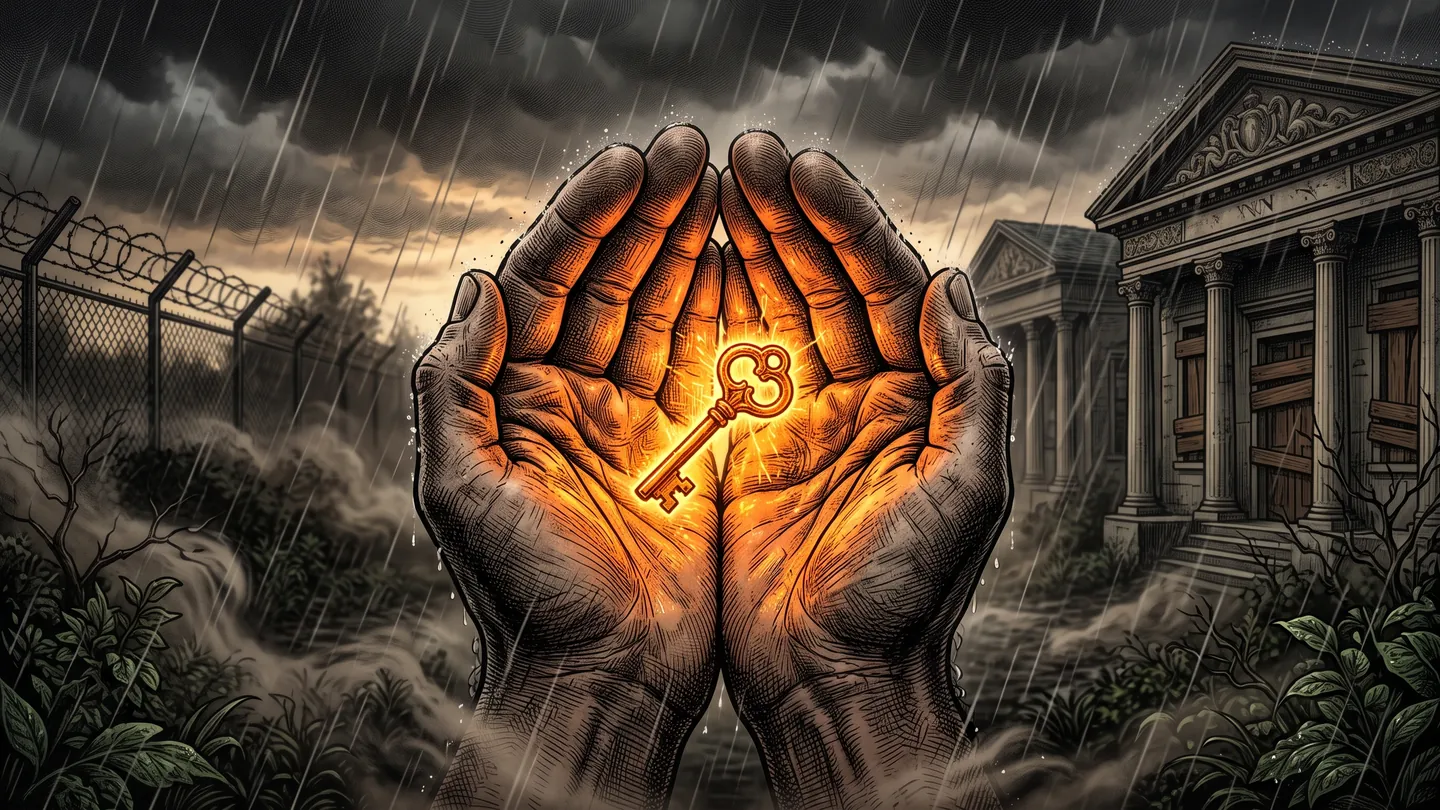
That money now exists. Bitcoin is the first money in human history that no authority can inflate, freeze, or seize by decree. Not because the people who run it are kind, but because no one runs it. No central bank can print more of it. No government can freeze your balance over your politics, your passport, or your protest, because there is no bank holding it for them to lean on, no account to shut from a desk in a capital. It can still be taken, and governments have taken it. But only by getting the key itself, wherever you keep it, on a device, on paper, in your memory. The authority that could once freeze your savings with the stroke of a pen has no pen here. It is gone.

Thomas Sankara tried to free his country from the money that controlled it. It was one of the defiances that got him killed. "He who feeds you controls you," he had said. Control of something a person needs is control of that person. You cannot eat without money, and the money you must use is controlled by a power that can starve you. That dependence is the leash. Take away the need for their money, and the hand that held the leash grips nothing.
Return to Togo. Sylvanus Olympio, the first president of independent Togo, was assassinated in 1963, after he moved to leave the French monetary zone and issue a currency of his own. The soldier who took part in killing him, Gnassingbé Eyadéma, seized the presidency himself in a coup four years later and held it for thirty-eight years, keeping Togo under the thumb of the CFA franc the entire time. When Eyadéma died in 2005, his son Faure took his place, and the arrangement with France continued unbroken. As of 2026, Faure still holds the office. Control of the currency never left French hands. Neither did the ruling family.
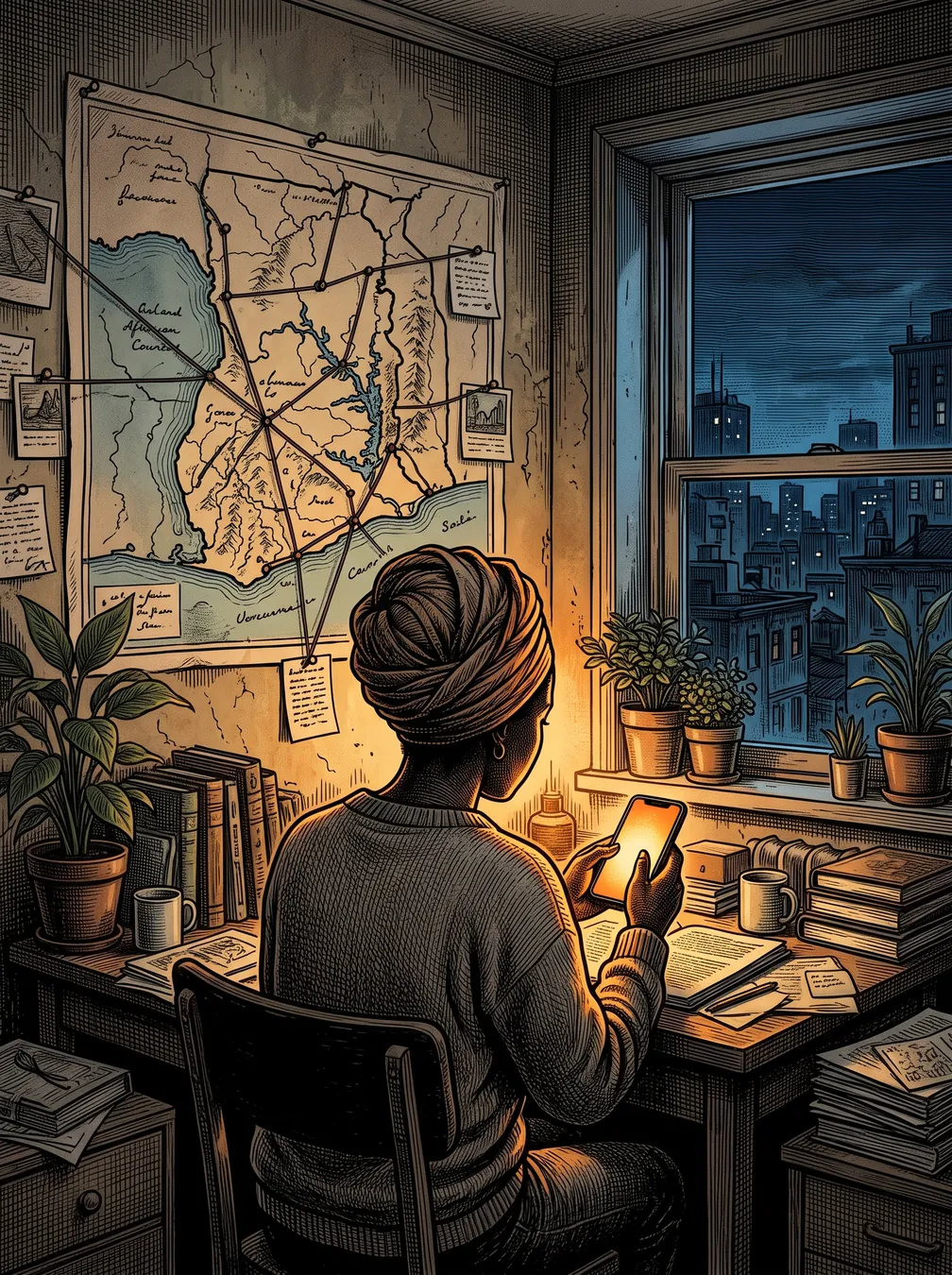
Farida Nabourema grew up inside that arrangement. Her grandfather fought French colonial rule. Her father was imprisoned and tortured for opposing the regime. She became one of its most relentless opponents, and it drove her into exile, beyond the reach of a government that would silence her at home. From exile she does the one thing the regime cannot prevent. She moves money into Togo to fund the resistance, routed around the French-backed CFA system entirely, and no one can stop her. She has said as much herself. The fight for Togo's freedom, she has argued, has always been tied to the fight for a currency of its own. And Bitcoin is exactly that, a nationless money that belongs to everyone, with rules no government can rewrite.
There is no minister to assassinate, no central bank to capture, no door for the regime to lock. The thing they killed a president to prevent, she does from her phone.
The trap was never only colonial. Mauricio Di Bartolomeo grew up in Venezuela and watched its money die. As hyperinflation ate the bolivar, his family began mining Bitcoin to hold value the state could not erase. In 2018 the government seized their mining machines. His brother eventually left the country with what savings remained, stored in Bitcoin. In hyperinflation, Mauricio says, you work two jobs. The one that earns your money, and the one that keeps it from vanishing before you can spend it. Venezuela had no colonizer to blame. It had a government with a printing press and a people with no way to escape what the printing did to them. The mechanism was different. The harm was the same. What Bitcoin gave them back was not just control over their money. It was a money no power above them could quietly destroy, freeze, or forbid.
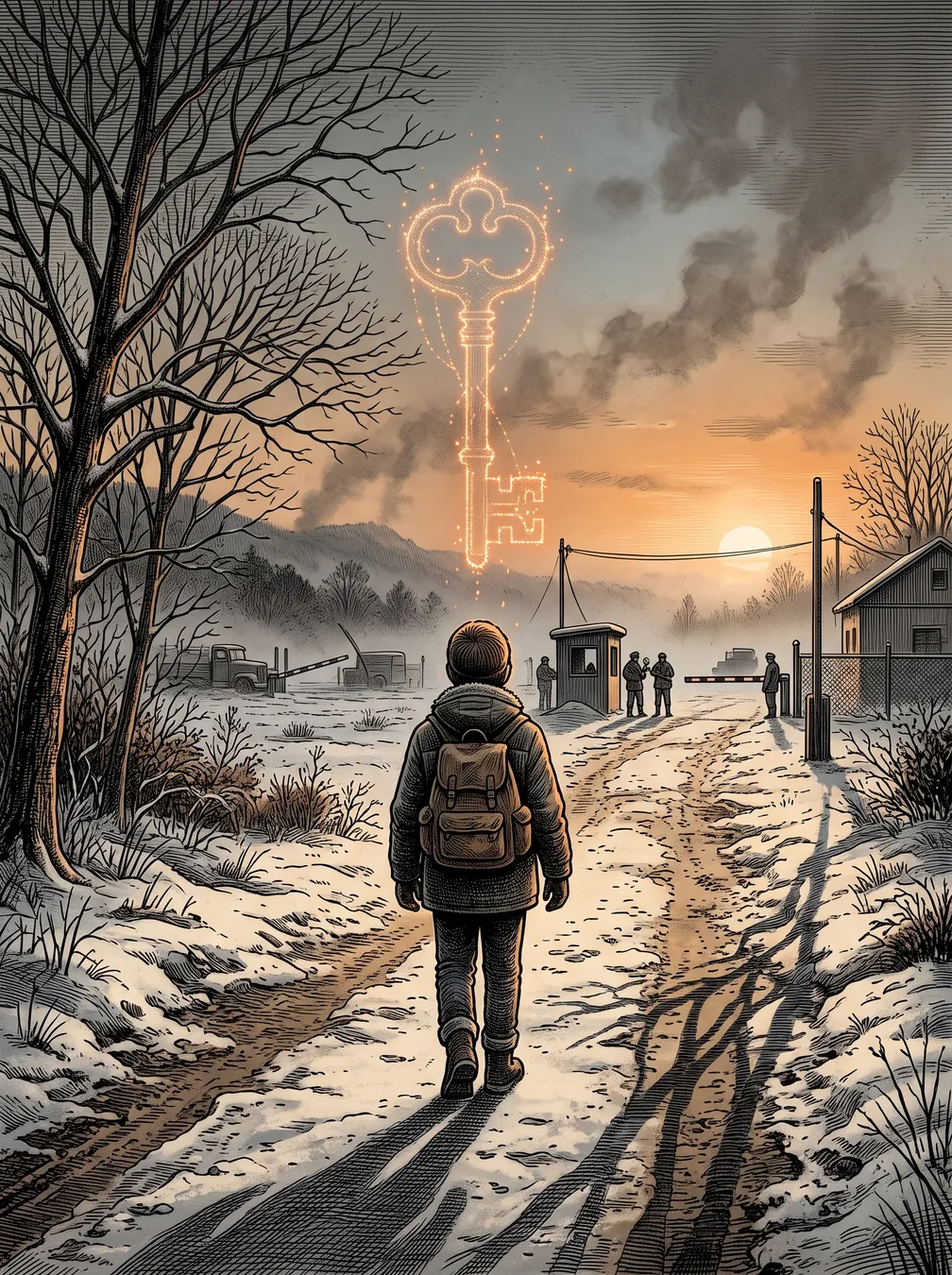
Then there is a person at a border crossing with nothing but what they can carry. When Russia invaded Ukraine in the spring of 2022, families ran for the crossings. Cash gets searched and taken. Gold gets searched and taken. Jewelry sewn into a coat lining gets found. Everything you carry in your hands can be taken out of your hands. But a string of words held in your memory crosses the border inside your skull, and no guard can search a mind. A twenty-year-old named Fadey walked into Poland that spring with $2,000 in Bitcoin, nearly half of everything he owned, accessed with a small drive in his pocket, and traded a piece of it for Polish currency that bought his bus ticket onward. You cannot carry your house across a closed border. You cannot always carry your gold. But a phrase you have memorized stays yours on the far side.
For Farida, for Mauricio's brother, for the refugee at the border with nothing but a phrase in their memory, Bitcoin is not an investment thesis. It is a survival technology.